2025. 10. 22. 05:05ㆍGoogle Trends/세계
트럼프의 아르헨티나 쇠고기 수입 계획, 미국 농부들 분노
파일 사진: 네브라스카주 모스 블러프의 농장에서 옥수수와 대두 농부인 저스틴 멘식(Justin Mensik)이 소를 돌보고 있다. 2019년 3월 22일 촬영. REUTERS/Humeyra Pamuk/파일 사진 © Thomson Reuters 리아 더글라스(Leah Douglas)과 톰 폴란세크(Tom Polansek) 기사
워싱턴/시카고 (로이터) - 미국 농부들은 월요일 도널드 트럼프(Donald Trump) 대통령이 아르헨티나로부터 더 많은 쇠고기 수입을 고려 중이라는 제안을 비판했다. 이는 최근 중국의 대두 구매에서 남미 국가에 밀려난 후의 일이다.
트럼프는 일요일 미국 쇠고기 가격이 기록적인 고점에 도달한 가운데 수입을 고려 중이라고 말했다. 그의 행정부는 앞서 아르헨티나에 200억 달러 규모의 통화 스왑 구제 금융을 연장했으며, 트럼프는 아르헨티나를 동맹으로 여긴다.
소 생산자들은 이 제안을 생계와 자유 시장에 대한 위협으로 보았으며, 목장주들이 천정부지로 치솟은 가축 가격과 강한 소비자 수요로 이익을 보고 있는 시점이다.
"이 계획은 미국 소 생산자들에게 연중 중요한 시기에 혼란만 초래할 뿐이며, 식료품점 가격을 낮추는 데는 아무런 도움이 되지 않는다"고 전국 소고기 협회(National Cattlemen's Beef Association) 산업 단체의 CEO인 콜린 우달(Colin Woodall)이 말했다.
지난달 트럼프 행정부는 아르헨티나가 중국에 대두를 판매하는 동안 농부들을 좌절시켰는데, 중국은 워싱턴과의 무역 분쟁으로 가을 미국 수확 대두를 전혀 구매하지 않았다.
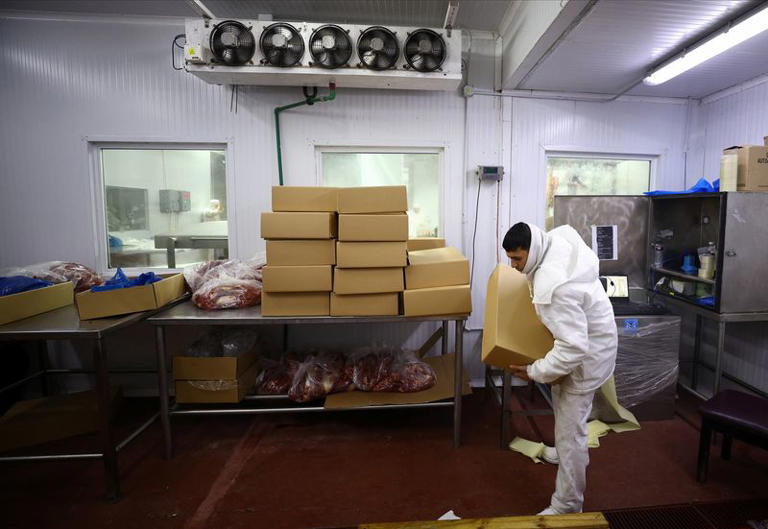
부에노스아이레스주 모론의 육류 가공 공장에서 직원이 수출용 포장된 쇠고기를 다루고 있다. 2025년 5월 16일. REUTERS/Agustin Marcarian © Thomson Reuters "우리가 필요로 하는 마지막 것은 그들에게 더 많은 쇠고기를 수입함으로써 보상하는 것이다"라고 전국 농민 연합(National Farmers Union) 회장 롭 라류(Rob Larew)가 말했다.
트럼프는 일요일 밤 에어포스 원(Air Force One) 비행기 안에서 쇠고기 수입 확대를 제안했다.
"아르헨티나에서 약간의 쇠고기 - 많지 않은 양으로 말하는 거지만 - 를 사면 아르헨티나를 도울 수 있을 거다. 우리는 아르헨티나를 매우 좋은 국가이자 매우 좋은 동맹으로 여긴다"고 트럼프가 말했다.
미국 농무부(USDA) 대변인은 농무부가 쇠고기 가격을 낮추기 위해 노력 중이며, 재난 구호와 기타 지원으로 소 목장주들을 뒷받침하고 있다고 밝혔다.
"이러한 조치와 함께 트럼프 대통령의 해외 쇠고기 생산자 시장 확보 노력은 미국 소 생산자들에게 강력한 메시지를 보낸다 - 더 많은 쇠고기를 생산하고 무리를 재건하라"고 대변인이 말했다.
백악관은 추가 정보 요청에 응답하지 않았다.
미국 송아지 소 선물 가격은 트럼프가 쇠고기 가격 인하 거래를 추진 중이라고 처음 말한 후 금요일에 급락했으며, 월요일 일주일 만의 최저 수준에 도달한 후 거의 변동 없이 마감했다.
몬태나주에서 78세인 잔 맥도날드(Jan McDonald)는 토요일 송아지들을 경매에 내놓을 계획이지만, 트럼프의 제안이 가격에 타격을 줄 수 있을까 걱정한다고 말했다.
"그가 어디서 그런 생각을 하는지 모르겠다. 미래가 매우 불안하다"고 맥도날드가 말했다.
경제학자들: 수입이 가격을 낮추지 않을 것
경제학자들은 작년 미국 쇠고기 수입의 약 2%를 차지한 아르헨티나로부터의 수입 증가가 미국 쇠고기 가격을 낮추기 어려울 것이라고 말했다.
"미국이 아르헨티나로부터 충분한 쇠고기를 사서 시장에 실질적인 영향을 미칠 수 없다"고 스타이너 컨설팅 그룹(Steiner Consulting Group)이 말했다.
경제학자들은 수입이 미국 생산자들이 국내 쇠고기 생산을 확대하기 위해 무리를 늘리는 것을 저지할 수 있다고 지적했다. 미국 생산량을 늘리는 데는 성체 소를 생산하는 데 약 2년이 걸리기 때문에 빠른 해결책이 없다고 오클라호마 주립대 농업 경제학자 데렐 필(Derrell Peel)이 말했다.
"외국산 쇠고기로 시장을 넘쳐흐르게 하면 장기적으로 우리 국가의 식량 자립 능력에 영향을 미칠 수 있다"고 미국 농업국 연방(American Farm Bureau Federation) 회장 지피 듀발(Zippy Duvall)이 말했다.
1월 미국 소 재고는 목장주들이 수년간의 가뭄으로 방목지를 태워버리고 사료 비용을 상승시킨 탓에 무리를 대폭 줄인 후 거의 75년 만의 최저 수준으로 떨어졌다.
5월 이후 미국은 신세계 나방(육식성 해충) 북상 우려로 멕시코 소 수입을 대부분 중단하면서 공급이 더욱 타이트해졌다. 브라질 상품에 대한 미국 관세도 브라질 쇠고기 수입을 늦추고 있다.
(워싱턴의 리아 더글라스와 시카고의 톰 폴란세크 보도; 워싱턴의 제프 메이슨 추가 보도; 마게리타 초이 편집)
Trump plan to import Argentine beef angers US farmers

By Leah Douglas and Tom Polansek
WASHINGTON/CHICAGO (Reuters) -U.S. farmers on Monday criticized President Donald Trump's suggestion that the country may import more beef from Argentina, after they recently lost out to the South American nation on soybean sales to top buyer China.
Trump said on Sunday that he was considering imports to reduce U.S. beef prices that have climbed to record highs. His administration earlier extended a $20 billion currency swap lifeline to Argentina, which the president considers an ally.
Cattle producers saw the suggestion as a threat to their livelihoods and free markets, at a time when ranchers are profiting from sky-high livestock prices and strong consumer demand.
"This plan only creates chaos at a critical time of the year for American cattle producers, while doing nothing to lower grocery store prices," said Colin Woodall, CEO of the National Cattlemen's Beef Association industry group.
Last month, the Trump administration frustrated farmers by negotiating financial support for Argentina at a time when Argentina was selling soybeans to China, which has not bought any soy from the autumn U.S. harvest due to its trade conflict with Washington.
"The last thing we need is to reward them by importing more of their beef," said Rob Larew, president of the National Farmers Union.
Trump floated hiking beef imports aboard Air Force One on Sunday night.
"If we buy some beef - I'm not talking about that much - from Argentina, it would help Argentina, which we consider a very good country, a very good ally," Trump said.
A U.S. Department of Agriculture spokesperson said the agency is working to lower beef prices while supporting cattle ranchers with disaster aid and other efforts.
"These actions coupled with President Trump's work to secure lasting markets for beef producers abroad send a strong message to American cattle producers - raise more beef and rebuild the herd," the spokesperson said.
The White House did not respond to a request for more information.
U.S. feeder cattle futures tumbled on Friday after Trump first said he was working on a deal to lower beef prices. They hit their lowest level in more than a week on Monday before ending nearly unchanged.
In Montana, Jan McDonald, 78, said she plans to take calves to an auction for sale on Saturday and worried that Trump's suggestion could hurt prices.
"I don't know where he's coming from," McDonald said. "It makes me very nervous about the future."
ECONOMISTS SAY IMPORTS WON'T LOWER PRICES
Economists said increased imports from Argentina, which last year represented about 2% of total U.S. beef imports, were unlikely to reduce U.S. beef prices.
"The U.S. cannot buy enough beef from Argentina to materially move the needle in the market," Steiner Consulting Group said.
Imports could also discourage U.S. producers from expanding their herds to boost domestic beef production, economists said. There is no quick fix to boost U.S. output as it takes about two years to produce full-grown cattle, said Derrell Peel, Oklahoma State University agricultural economist.
"Flooding markets with foreign-grown beef could affect our nation's ability to be food independent in the long-term," American Farm Bureau Federation President Zippy Duvall said.
U.S. cattle inventories in January dropped to the lowest level in nearly 75 years, after ranchers slashed their herds due to a years-long drought that burned up grazing lands and hiked feed costs.
Supplies tightened more as the U.S. since May has mostly suspended imports of Mexican cattle amid concerns about the northward spread of New World screwworm, a flesh-eating pest that infests livestock. U.S. tariffs on goods from Brazil have also slowed imports of Brazilian beef.
(Reporting by Leah Douglas in Washington and Tom Polansek in Chicago; additional reporting by Jeff Mason in WashingtonEditing by Marguerita Choy)
'Google Trends > 세계' 카테고리의 다른 글
| BC에서 전기차 충전기 폭발, 카메라 포착 (0) | 2025.10.22 |
|---|---|
| 발리에서 마약 밀매로 사형 선고받은 영국 할머니, 12년 감옥 생활 후 영국 송환 (0) | 2025.10.22 |
| 감사관, 군 모집이 뒤처지고 있으며 기지 주택 상태가 열악하다고 지적 (0) | 2025.10.22 |
| 문의 이상한 모양의 진짜 이유가 밝혀졌다: '이해가 너무 잘 돼' (0) | 2025.10.21 |
| 세계 최고의 라이다 제조사 창업자가 말하는 엘론 머스크의 자율주행 접근법의 한 가지 문제점 (0) | 2025.10.21 |